Have times of war and ethical ambiguity, as portrayed by world leaders, numbed us to the difference between good and bad? Utility and scarcity has nested in our minds, justifying much of what we do. We know why we should be careful with the planet’s resources. But yet, short-term efficiency conquers long-term impact (for example AI-use). I save so much time! The products I deliver are so much better! And with every petty excuse, our moral responsibility fades. Are even well-intentioned people, like those Hannah Arendt observed in Eichmann’s trial, capable of enabling atrocities when they surrender their moral judgment to the machinery of a system?
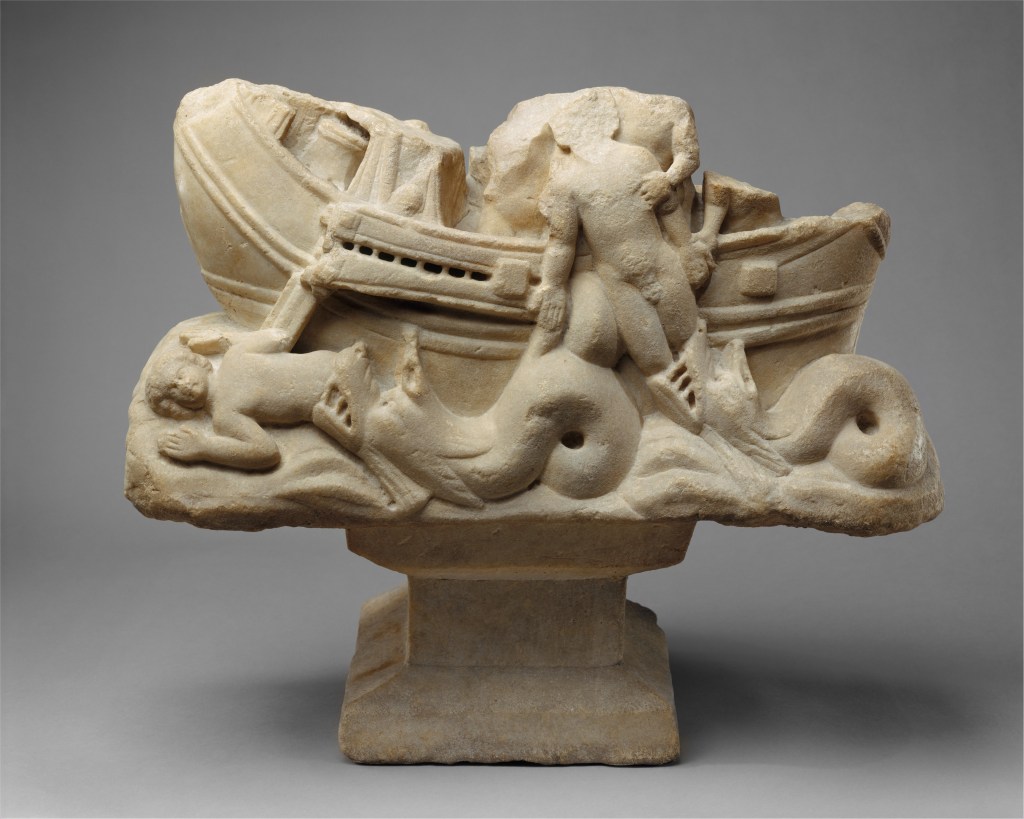
‘Focus on what you can change!’ my manager says, as she divides the papers with the circle of influence sketched onto them. But the system has swallowed us whole. Here we are, inside the whale, like Jonah in the belly of the beast, focussing on what we can change immediately. So what do we do with our time when the world feels this big, and we feel this small?
For my first two variations on the circle of influence, I propose the circle of good and the circle of bad. Regardless of the outcome, I believe in the power of dialogue (with others, yourself,…) and in how these particular questions return moral responsibility to the individual. Or dare I say, it demands moral integrity?
How to?
- Draw two circles.
- Write circle of good in one, circle of bad in the other. Fill them: What does ‘good’ looks like to you? What does ‘bad’ looks like?
- Optional: Share (don’t discuss/debate) your answers in a group, or reflect on them when done alone.
 Flynn vs. the world
Leave a comment